


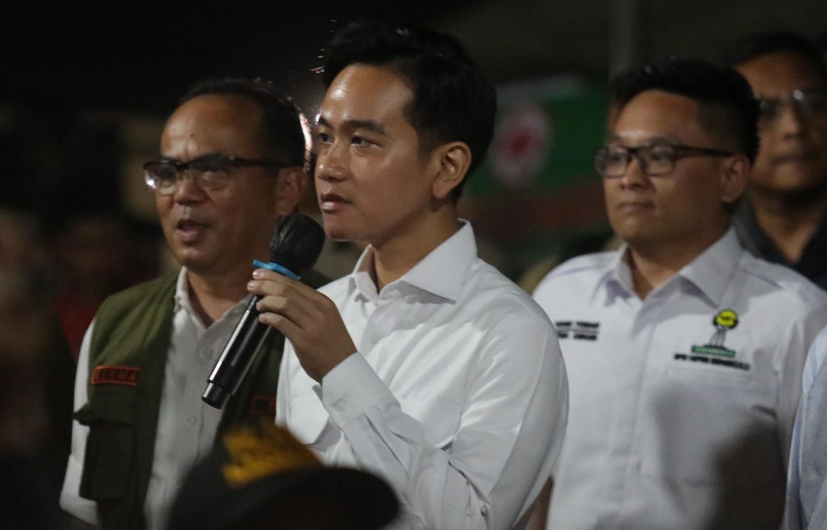
Papuaaround.com – The management of the West Papua National Liberation Army (TPNPB) announced that its regional forces in Yahukimo allegedly disrupted the planned working visit of Indonesian Vice President Gibran Rakabuming Raka to Dekai City. The group stated that clashes between its members and security personnel continued until early Wednesday morning, creating a tense situation in the area.
According to information circulated by TPNPB leaders, the operation was carried out by the XVI Yahukimo Regional Command. The statement explained that fighters attempted to block access to Dekai by targeting transportation believed to be connected with the vice president’s agenda. The organization claimed that shots were fired at an aircraft preparing to land in the region.
Major Kopitua Heluka, identified as the operational commander, asserted that the objective was to halt every activity related to the visit. He added that TPNPB units remained on alert around the center of Dekai and were prepared to prevent any governmental program from taking place. The message emphasized readiness rather than providing detailed verification of the incident.
The declaration quickly drew attention because Yahukimo has experienced repeated security disturbances in recent years. Local residents reported hearing sporadic gunfire, although independent confirmation remained limited due to restricted access and communication difficulties. Authorities have not released a comprehensive account, and the situation on the ground continues to develop.
Through its spokesperson Sebby Sambom, the organization also delivered a broader political appeal. He urged Papuan communities to refuse the transfer of customary land to the Indonesian government. Sambom argued that many development projects had brought hardship rather than prosperity and therefore should be rejected. His statement reflected long-standing grievances voiced by separatist groups in the region.
TPNPB further criticized Papuan officials who currently serve in the Prabowo–Gibran cabinet. The group claimed that those figures did not represent the true aspirations of indigenous Papuans. Such rhetoric illustrates the deep divide between Jakarta’s integration policies and the demands of factions seeking independence.
Observers note that claims from armed groups often serve as psychological pressure as much as military action. Even so, every allegation of violence raises concerns about civilian safety and the stability of public services in remote districts. Dekai functions as an important administrative hub, and any disruption there affects education, health care, and transportation for surrounding communities.
Security analysts explain that the rugged geography of Yahukimo makes verification difficult. Flights are the main connection to the outside world, and any threat to aviation quickly paralyzes movement. Consequently, reports about shooting at aircraft, whether confirmed or not, can force authorities to suspend operations as a precaution.
The central government has repeatedly emphasized its commitment to continue development in Papua through infrastructure, welfare programs, and dialogue. Officials argue that economic improvement will reduce conflict and open new opportunities for young Papuans. However, armed organizations reject this approach and describe it as an extension of political control.
Human rights advocates encourage all sides to prioritize the protection of civilians. They warn that escalating confrontation could trigger displacement and deepen mistrust among communities. Local churches and customary leaders have called for restraint while urging the government to ensure transparent information.
The press release from TPNPB was signed by several high-ranking figures, including Supreme Commander General Goliath Tabuni and Deputy Commander Lieutenant General Melkisedek Awom. The document also carried the names of regional commanders to demonstrate internal coordination. Nevertheless, the authenticity of specific operational details remains difficult to verify independently.
As the alleged incident circulates in national media, attention turns to how the vice presidential office will respond. Any change to the planned visit may influence political dynamics and security planning across Papua. For now, residents of Dekai continue daily activities with caution while awaiting clearer updates from authorities.
The episode highlights the fragile environment that persists in parts of Papua. Competing narratives between the state and separatist movements often create confusion, and ordinary people bear the greatest risk. Balanced information and constructive dialogue are widely regarded as essential steps toward reducing tension.
While both sides maintain firm positions, the immediate priority remains the safety of civilians and public servants in Yahukimo. The coming days will show whether the situation de-escalates or leads to further confrontation. Until verified facts emerge, the claims surrounding the disruption of the vice president’s visit remain part of an ongoing and complex conflict landscape.