
Papuaaround.com – The Regional Representative Council (DPD) of the Republic of Indonesia reported that the Indonesia Smart Program (Program Indonesia Pintar/PIP) in 2025 reached 36,879 students across West Papua Province, with total education assistance amounting to Rp26.66 billion. The program targets students from primary to vocational education levels to support continued access to schooling.
Based on the data, elementary school students accounted for the largest share of recipients. A total of 19,487 primary school students received Rp7.82 billion in assistance. Meanwhile, 9,118 junior high school students benefited from Rp5.60 billion in funding. At the senior high school level, 6,006 students obtained Rp9.70 billion, while 2,268 vocational high school students received Rp3.53 billion.
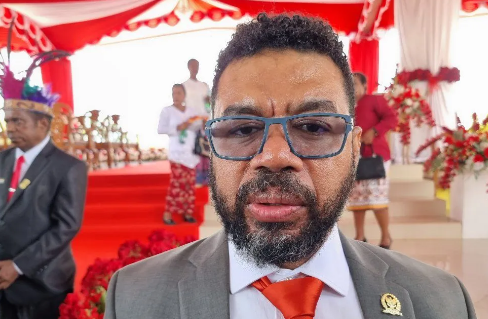
Chair of Committee III of the DPD RI, Filep Wamafma, stated in Manokwari on Wednesday that the distribution of PIP scholarships serves as a strategic government instrument to ensure the continuity of education for children in Papua. He explained that the dominance of elementary-level recipients reflects a policy focus on strengthening basic education foundations to reduce the risk of early school dropouts.
According to him, guaranteed financial access at the primary education level has a positive long-term impact on improving the quality of human resources in West Papua. He emphasized that PIP is not merely a cash-based education subsidy but represents the state’s commitment to preventing students from leaving school due to financial constraints.
Furthermore, he noted that junior high school represents a critical phase where many students in remote regions face a high risk of dropping out. Economic limitations and long travel distances to schools remain major challenges at this level. Therefore, continued support through PIP is expected to help students complete compulsory education.
At the senior high school level, PIP allocations have been adjusted to meet educational needs, with the aim of maintaining student consistency through graduation and preparing them for higher education. For vocational high school students, the program focuses on strengthening vocational education so graduates can enter the local workforce with relevant skills and competitiveness.
Filep added that PIP is part of the central government’s broader agenda to expand equitable access to education while supporting sustainable human resource development nationwide. However, effective implementation depends on cooperation with local governments, particularly in providing accurate student data through the national education database and ensuring parental supervision of fund usage.
He also highlighted the importance of continuous monitoring and evaluation to ensure PIP delivers tangible improvements in education quality, especially in Papua. In comparison with other eastern Indonesian provinces, PIP realization in West Papua remains lower than in East Nusa Tenggara and West Nusa Tenggara, which recorded significantly higher numbers of beneficiaries and funding allocations.