


Papuaaround.com – In a move aimed at bolstering economic resilience in coastal communities, the Papua provincial government has announced plans to develop three Red and White Fishing Villages (Kampung Nelayan Merah Putih) in 2026. The initiative, part of Indonesia’s broader national strategy under the Ministry of Marine Affairs and Fisheries, seeks to enhance local fishermen’s livelihoods and add value to the region’s fishing industry.
The announcement was made by the head of the Papua Fisheries and Marine Office (Dinas Kelautan dan Perikanan, DKP), Imam Djuniawal, during a press briefing in Jayapura. According to Djuniawal, these three fishing villages will be located in Sarmi, Supiori, and Waropen districts. He emphasized that the initiative aims to elevate the standard of living for fishing communities by integrating essential facilities and economic opportunities.
Strategic Coastal Development
The Red and White Fishing Village program is designed to transform traditional coastal settlements into modern, productive centers that support the entire fishing value chain — from capture to market. Djuniawal explained that each village will feature integrated infrastructure, such as docking areas for fishing vessels, cold storage and fish processing facilities, and other amenities intended to increase market competitiveness.
He also highlighted that the development plan includes supporting facilities such as fuel stations tailored for fishing boats (SPBN), coastal retail outlets, and food courts. These additions are expected not only to support fishing operations but also to foster local entrepreneurship and job creation.
In addition to expanding the fishing economy, the villages are envisioned as potential hubs for coastal tourism. By leveraging scenic coastal landscapes and cultural assets, local authorities hope to attract visitors and stimulate auxiliary economic activities.
Partnerships and Community Engagement
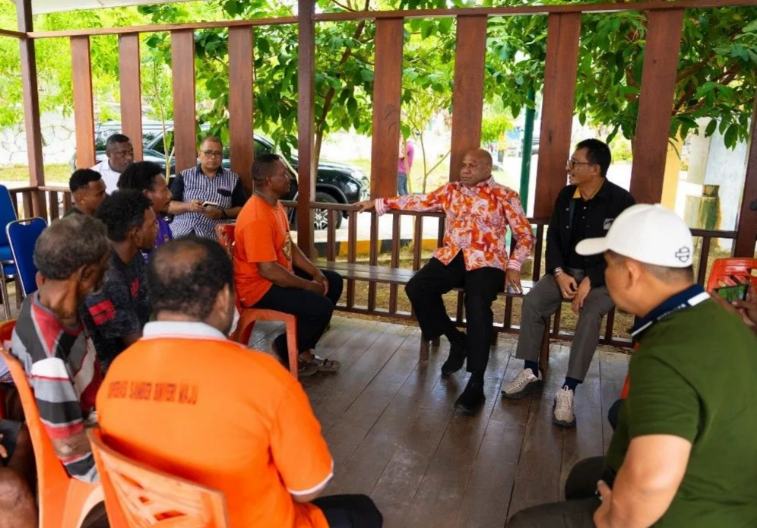
Djuniawal underscored the importance of collaboration among government, local communities, and development partners. He noted that successful implementation of the project will depend heavily on community cooperation, particularly in providing land for infrastructure and participating in planning processes.
To illustrate the potential benefits of the program, Djuniawal pointed to the existing Red and White Fishing Village in Samber-Binyeri, Biak Numfor, which was developed with comprehensive facilities that include cold storage and a cooperative-based economic system to support fishermen. He reiterated that this model will be replicated in the new villages in Papua.
National Program Integration
The Papua initiative aligns with Indonesia’s national target of constructing numerous fishing villages across the archipelago through the Kampung Nelayan Merah Putih (KNMP) program. This nationwide effort is part of a broader vision by the national government to modernize coastal communities and strengthen the maritime sector as a pillar of the country’s economy.
According to information from the central government, the Ministry of Marine Affairs and Fisheries has already identified dozens of locations for initial development phases, with the first group of villages slated for completion in 2025 under a designated budget. Plans for additional sites, including those in Papua, have been communicated to ensure continued progress in subsequent years.
In this broader context, the campaign seeks not only to erect physical infrastructure but also to strengthen local economic ecosystems by fostering small-scale processing units, cooperatives, and market linkages. Empowering coastal residents with access to modern facilities and training is considered a key element in enabling sustainable income growth.
Economic and Social Impacts
Local leaders and stakeholders have welcomed the announcement, citing the potential for long-term benefits. Strengthening the fishing economy is anticipated to generate employment, reduce economic disparities in coastal regions, and encourage youth participation in sustainable maritime activities. Observers note that by enhancing the quality of catch and bolstering access to markets, communities can achieve higher returns on their labor and resources.
However, authorities acknowledge challenges ahead, including the need to secure adequate funding, ensure infrastructure readiness, and coordinate effectively with district governments. The success of the program will hinge largely on transparent planning and sustained dialogue among all parties involved.
As Papua prepares to embark on the next phase of the Red and White Fishing Village program, stakeholders remain cautiously optimistic. Officials believe that with thoughtful execution and strong community engagement, these new hubs can serve as engines of economic growth and symbols of integrated coastal development in eastern Indonesia.