


Papuaaround.com – Indonesia’s Ministry of Transportation has temporarily closed 11 pioneer airports in Papua following a deadly shooting that killed the pilot and co-pilot of a Smart Air flight. The decision aims to safeguard flight operations and strengthen airport security in vulnerable regions.
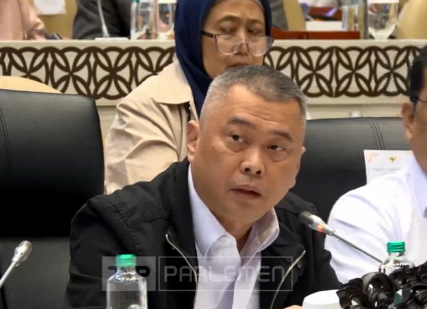
Transportation Minister Dudy Purwagandhi announced the measure during a working meeting with Commission V of the House of Representatives (DPR RI) in Jakarta on Wednesday. He said the closures serve as a preventive step to avoid further incidents that could threaten aviation safety.
“One of our current preventive measures is to close several airports that lack adequate security to prevent undesirable incidents,” the minister stated.
The policy comes in response to the February 11, 2026, attack on a Cessna Grand Caravan aircraft operated by PT Smart Cakrawala Aviation. The aircraft, registered PK-SNR, was flying from Tanah Merah to Danawage/Koroway Batu when it came under fire in Boven Digoel District, South Papua. The shooting killed both the pilot and co-pilot, raising serious concerns about operational security in remote aviation routes.
Authorities moved quickly after the incident. The ministry identified airports with limited security infrastructure and high exposure to risk. As a result, it suspended operations at 11 pioneer airports: Koroway Batu, Bomakia, Yaniruma, Manggelum, Kapiraya, Iwur, Faowi, Dagai, Aboy, Teraplu, and Beoga.
These airports primarily serve underdeveloped, frontier, outermost, and border areas, commonly referred to as 3TP regions. Pioneer flights play a vital role in connecting isolated communities to essential services, including healthcare, education, and logistics. However, officials emphasized that safety remains the top priority.
The minister explained that inadequate security at certain airstrips increases risks for flight crews and passengers. Therefore, the temporary closure allows the government to reassess conditions and deploy additional protective measures.
At the same time, the ministry intensified coordination with key stakeholders. It is working closely with the Indonesian National Defense Forces (TNI) and the National Police (Polri) to enhance security around affected airports. This collaboration focuses on stabilizing the surrounding regions and ensuring that aviation facilities remain protected from potential threats.
The government aims to restore air transportation services gradually once security benchmarks are met. Officials stressed that the closures are not permanent. Instead, they are part of a broader effort to ensure that airport environments meet operational safety standards.
Meanwhile, five other airports in Papua remain open but under heightened supervision. These airports—Kiwirok, Moanamani, Sinak, Illu, and Agandugume—are categorized as vulnerable yet manageable. Security personnel from TNI and Polri are stationed at these locations. Flights continue to operate, but authorities monitor conditions closely.
The ministry also addressed concerns from airline operators. It confirmed that carriers suspending flights in Papua for safety considerations will not face administrative sanctions. Operators retain full authority to conduct independent security assessments and determine whether to resume or continue operations.
This assurance provides flexibility for airlines navigating challenging conditions. It also reinforces the government’s position that safety decisions must prioritize the well-being of crews and passengers over operational targets.
Industry observers note that pioneer aviation services in Papua face unique challenges. The region’s mountainous terrain, limited infrastructure, and remote settlements make air transport indispensable. Many communities depend entirely on small aircraft for access to goods and public services. As a result, disruptions can significantly affect local populations.
Nevertheless, authorities maintain that protecting human life takes precedence. The recent shooting incident underscored vulnerabilities that require immediate and coordinated action. By temporarily closing airports with insufficient safeguards, the ministry seeks to prevent further tragedies.
In addition, the government continues to evaluate long-term solutions. These may include infrastructure upgrades, improved surveillance systems, and strengthened collaboration with security forces. Officials believe that sustainable aviation services in Papua require both technical improvements and stable security conditions.
The House of Representatives Commission V, which oversees transportation affairs, received updates on these measures during the working meeting. Lawmakers expressed concern about safety while acknowledging the strategic importance of maintaining connectivity in eastern Indonesia.
For now, the timeline for reopening the 11 airports depends on security assessments. Flights will resume once authorities determine that destination airports meet established safety requirements. The ministry emphasized that decisions will rely on real-time evaluations rather than fixed schedules.
The fatal shooting of the Smart Air crew remains under investigation. Security forces continue efforts to secure the area and prevent further disruptions. Meanwhile, the aviation community awaits improvements that will allow safe and reliable operations to resume across Papua’s remote air network.
As Indonesia balances regional connectivity with security imperatives, the temporary closure of pioneer airports reflects a cautious but necessary response. Officials reiterate that restoring safe air services remains a priority, provided that protective measures can guarantee operational security.