
Improving healthcare accessibility in remote regions has emerged as a key focus of Indonesia’s efforts to strengthen public services and reduce disparities between urban and rural communities. In South Papua’s Asmat Regency, plans to upgrade the local public hospital are expected to play a significant role in expanding medical capacity, reducing patient referrals, and bringing essential healthcare services closer to residents.
The initiative gained attention following the government’s commitment to elevate the status of RSUD Perpetua H. Safanpo from a Type D hospital to a Type C facility. The proposed upgrade reflects a broader strategy to improve healthcare infrastructure in frontier, outermost, and underdeveloped regions, commonly referred to as 3T areas.
For many residents of Asmat, access to advanced healthcare remains a significant challenge. Geographic isolation, limited transportation options, and vast distances between settlements often create barriers for patients seeking specialized treatment. As a result, many cases require referrals to larger hospitals located in other cities, a process that can be costly, time-consuming, and emotionally demanding for patients and their families.
Health experts have long argued that strengthening regional hospitals is one of the most effective ways to address healthcare inequality. By expanding medical facilities and increasing the availability of diagnostic equipment, local hospitals can handle a greater number of cases without requiring patients to travel long distances.
The planned hospital upgrade is expected to contribute directly to that objective. A Type C hospital classification generally enables a healthcare facility to provide broader specialist services and improved medical support systems. Such improvements can significantly enhance treatment options for communities that previously relied on external referral networks.
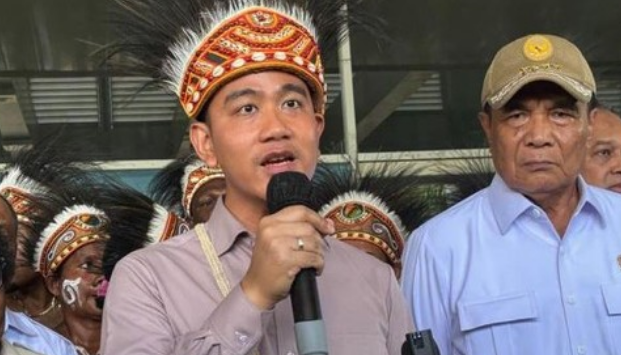
During a recent visit to Asmat, government officials reviewed the condition of the existing hospital and assessed the healthcare services currently available to local residents. The visit highlighted both the progress already achieved and the challenges that remain in delivering comprehensive healthcare in remote parts of Indonesia.
Healthcare administrators in Asmat view the proposed upgrade as a strategic step toward improving service quality. Hospital management has emphasized the importance of expanding medical equipment and infrastructure to support more advanced healthcare procedures. Among the priorities frequently discussed is the addition of diagnostic technology that can assist doctors in detecting serious medical conditions more quickly and accurately.
The availability of advanced equipment could reduce the need for patients to seek treatment outside the regency. Currently, many individuals requiring specialized examinations must be referred to hospitals in larger cities. Those referrals often involve significant transportation costs and additional expenses for accommodation during treatment periods.
For indigenous communities living in remote villages, the burden can be even greater. Families frequently face logistical challenges when accompanying patients to referral hospitals located hundreds or even thousands of kilometers away. Consequently, local healthcare improvements are expected to generate benefits that extend beyond medical outcomes.
Reducing referral dependency may also improve efficiency within the healthcare system. Patients can receive treatment more quickly when services are available locally, while referral hospitals can focus resources on cases that genuinely require higher levels of specialization.
The proposed upgrade aligns with the government’s broader agenda to strengthen healthcare resilience nationwide. In recent years, policymakers have increasingly emphasized the importance of building medical infrastructure outside major urban centers. The objective is not only to improve access but also to ensure that citizens receive comparable standards of care regardless of their location.
Public health specialists note that infrastructure development alone is not sufficient. Hospital upgrades must also be accompanied by investments in human resources, including doctors, nurses, specialists, and medical technicians. A modern facility can only reach its full potential when supported by qualified healthcare professionals and sustainable operational systems.
Nevertheless, improved infrastructure remains a crucial starting point. Enhanced facilities create opportunities for better healthcare delivery, stronger disease management, and more effective emergency response capabilities. In regions such as Asmat, where transportation challenges can delay access to treatment, local capacity becomes especially important.
The hospital improvement plan has also been welcomed as part of broader regional development efforts. Access to quality healthcare is often considered a key indicator of social progress. Communities with stronger healthcare systems tend to experience better health outcomes, improved productivity, and greater economic stability.
Furthermore, investments in healthcare can strengthen public confidence in government services. Residents in remote areas often measure development not only through physical infrastructure such as roads and bridges but also through access to education, healthcare, and social services.
As discussions surrounding the hospital upgrade continue, stakeholders remain focused on ensuring that the project delivers long-term benefits for local communities. The success of the initiative will likely depend on effective coordination between government institutions, healthcare providers, and regional authorities.
For Asmat residents, the planned transition to a higher-level hospital represents more than an infrastructure project. It symbolizes a broader effort to bring essential healthcare closer to communities that have historically faced significant barriers to medical access. If implemented successfully, the initiative could become an important milestone in advancing healthcare equity across South Papua and other remote regions of Indonesia.